

Tile Water Damage Repair near Clearwater
Assessment-Led Tile, Grout & Caulking Restoration after Moisture Exposure
At The Grout Medic of St. Petersburg, we provide tile water damage repair for Clearwater properties affected by leaks, humidity, rainfall, or prolonged water exposure. Moisture can leave grout darkened or crumbling, caulking separated at edges and corners, and tiles loose or stained. Our process begins with an assessment of the tiled area, moisture levels, and substrate conditions before we recommend tile-focused restoration work.
Tile can appear mostly intact while water affects the grout, caulking, adhesive, or materials beneath and around the installation. We help property owners distinguish between surface concerns that may respond to cleaning, grout repair, recaulking, or sealing and conditions that need broader water mitigation before tile work can move forward. Active leaks, contaminated water, extensive hidden moisture, and significant structural damage may require another restoration provider.
Our technicians use low-pressure, high-temperature steam vapor technology as part of our tile and grout service approach. We also use low-impact, biodegradable products and offer practical restoration options for residential and commercial tiled surfaces.
Request a free estimate online or call (866) 643-3617 to discuss tile water damage repair near Clearwater.
Tile-Focused Repair Services
Our available restoration options include:
- Tile and grout restoration: Cleaning and restoring tiled surfaces affected by buildup, staining, and moisture-related deterioration.
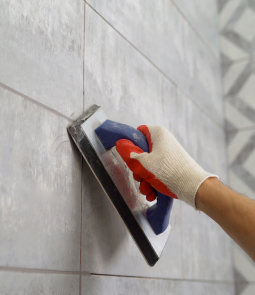
- Grout repair and regrouting: Repairing or replacing deteriorated grout where appropriate for the condition of the installation.
- Recaulking: Replacing failed caulking at tiled transitions, corners, and other applicable areas.
- Color sealing and grout sealing: Applying protective services when recommended after the condition of the grout is evaluated.
We follow a structured and transparent repair process that begins with the condition of the tile assembly, not assumptions about what is beneath it.
- Initial Assessment: Our technicians inspect affected tiles and surrounding areas, evaluating moisture levels, substrate conditions, visible deterioration, and possible moisture sources.
- Customized Repair Plan: We develop a tailored plan based on tile type, damage severity, and property conditions. The assessment may indicate cleaning, grout repair, recaulking, sealing, tile repair, or a need for broader water mitigation.
- Restoration and Protection: We complete the recommended tile and grout restoration work using professional equipment and appropriate protective services.
- Final Review: After restoration and repair, we review the completed work with you and address questions about care for the tiled area.
Long-Term Tile & Grout Protection
Tile and grout restoration can be paired with regrouting, recaulking, color sealing, and grout sealing when those services fit the condition of the installation. Prompt attention to failed caulking, deteriorated grout, recurring leaks, and excess moisture can help limit additional tile-related deterioration.
Our trained technicians use professional equipment and tailored recommendations for residential and commercial tile and grout projects. Whether the concern is in a shower, kitchen, entryway, floor, or other tiled area, we focus on the repair needs identified during the assessment.
Frequently Asked Questions
1. How Do I Know If My Tiles Have Water Damage?
Darkened grout, mold or mildew on tile surfaces, loose tiles, failed caulking, staining, and persistent odors can indicate moisture-related damage. A professional assessment can evaluate the visible condition, moisture levels, and whether tile-focused repair is appropriate.
2. What Makes Your Tile Repair Process Eco-Friendly?
We use low-pressure, high-temperature steam vapor technology and low-impact, biodegradable products as part of our tile and grout service approach. This helps us avoid harsh chemical cleaners while restoring applicable tiled surfaces.
3. How Long Does the Tile Repair Process Take?
The scope of work depends on the tile type, damage severity, affected materials, and whether moisture conditions need attention before restoration. We explain our recommendations and estimate before work begins.
4. What Steps Can I Take to Prevent Future Tile Water Damage?
Address leaks promptly, maintain ventilation in damp areas, and monitor grout and caulking for renewed deterioration. Professional sealing may be appropriate for some surfaces, but it doesn’t correct an active leak or damaged materials beneath the tile.
5. Do You Offer Service Assurances on Your Repair Services?
Service recommendations and available work are confirmed after an assessment of the tiled area and its condition. We provide clear communication about the recommended scope before work begins.

-
Timely and Quality ServiceHassle-free scheduling and transparent estimates, always.
-
Committed to Your SatisfactionYour satisfaction matters. If we fall short, let us know – we'll fix it.
-
More Than QualifiedOur team is fully licensed, bonded, and insured for your peace of mind.
Common Tile Water Damage Situations near Clearwater
Tile-related water damage can look different depending on where it occurs and how often the area is exposed to moisture. We provide tile and grout restoration, grout repair, regrouting, recaulking, color sealing, and grout sealing for residential and commercial properties near Clearwater.
Common tile water damage situations include:
- Bathrooms and Showers: Dark grout, mildew on tile surfaces, failed caulking, or loose tiles may appear around corners and transitions. Repeated moisture can also affect the area beneath the tile, even when the visible surface doesn’t appear severely damaged.
- Kitchens, Floors and Entryways: Leaks, spills, and repeated wet foot traffic can leave tiled floors and kitchen surfaces stained or difficult to clean. Deteriorated grout and broken caulking can create openings where moisture reaches materials around or beneath the tile installation.
- Commercial Tiled Areas: Commercial tiled surfaces may experience recurring water exposure, surface buildup, staining, and worn grout in high-use areas. An assessment helps identify whether the visible concern is limited to tile and grout restoration or whether conditions beyond the surface need attention first.
Assessing Tile Water Damage before Repair
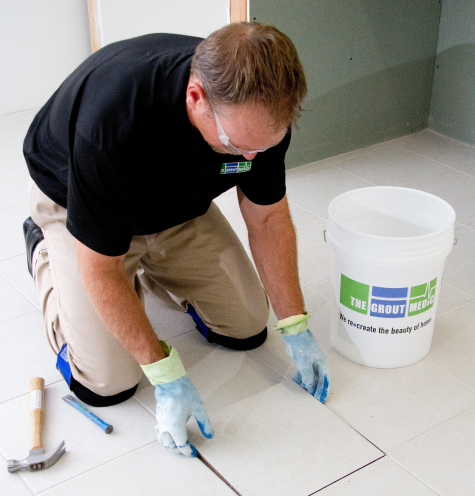
We assess moisture levels, substrate conditions, tile type, and damage severity before recommending work. This evaluation helps determine whether the area may benefit from cleaning, grout repair, recaulking, regrouting, sealing, color sealing, or tile-related repair.
Surface buildup may be addressed through tile and grout restoration, but loose tiles, crumbling grout, failed caulking, or moisture beneath the installation can require a different scope of work. We explain the recommended approach and provide an estimate before work begins.
Tile-focused repair can’t replace source correction, emergency water extraction, full structural drying, mold remediation, or major reconstruction. If an active leak, contaminated water, extensive hidden moisture, or significant structural damage is present, a water mitigation or restoration provider may need to address those conditions before tile restoration can proceed.