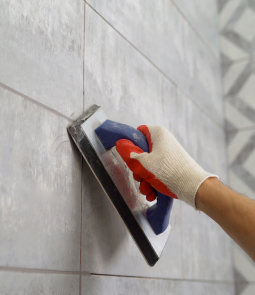


Grout Repair in Bedford
Targeted Repair for Isolated Damage, Complete Regrouting for Widespread Failure
When grout begins to crack, crumble, or separate from the tile, the extent of the damage determines the right response. We assess whether a few failed joints need targeted repair or broader deterioration calls for regrouting.
Our fully trained technicians evaluate the grout condition, surrounding tile stability, and moisture exposure before recommending a scope of work. Repairing failed joints can reduce the risk of moisture reaching the materials behind or beneath the tiled surface.
Request a free estimate for your tiled area. Call (817) 761-1512 to discuss the damage and arrange an assessment.
Warning Signs That Grout Needs More Than Cleaning
Routine cleaning can improve the surface appearance, but it can’t replace missing material or stabilize deteriorated joints. Grout that continues to crack, powder, or darken after cleaning may need professional repair.
Warning signs of tile grout deterioration include:
- Cracks spreading along one or more joints.
- Grout that flakes, crumbles, or powders during cleaning.
- Open joints or sections where material is missing.
- Dark discoloration that returns soon after cleaning.
- Grout separating from the edge of the tile.
- Loose or shifting tiles near the affected joints.
Choosing Between Targeted Repair & Complete Regrouting
Localized grout repair is generally appropriate when damage is limited to a few joints and the surrounding material remains serviceable. Regrouting is better suited to extensive cracking, recurring staining, widespread crumbling, or deterioration across much of the installation.
The condition of the tiled area guides our recommendation:
- Targeted repair: We remove and replace damaged material in selected areas while leaving stable surrounding joints in place.
- Broader regrouting: We remove failing grout across a larger surface, prepare the joints, and install fresh material.
- Related restoration: We evaluate corners, fixtures, transitions, loose tiles, and areas where flexible sealants may need attention.

-
Timely and Quality ServiceHassle-free scheduling and transparent estimates, always.
-
Committed to Your SatisfactionYour satisfaction matters. If we fall short, let us know – we'll fix it.
-
More Than QualifiedOur team is fully licensed, bonded, and insured for your peace of mind.
Preserving Stable Tile Through Grout Restoration
Full tile replacement isn’t always necessary when the installation is stable and the primary failure is in the grout. We provide tile and grout repair, regrouting, recaulking, cleaning, and sealing services to address related needs within the existing tiled area.
Proper preparation is essential. We remove loose and deteriorated material so fresh grout can be installed in clean, stable joints rather than placed over a failing surface.
When cleaning is part of the restoration, we use low-pressure, high-temperature steam vapor technology. This method fits our eco-friendly approach and avoids harsh chemical cleaners.
What to Expect from Our Grout Restoration Process
We begin by assessing the affected surfaces and determining whether the damage is isolated or widespread. Before work starts, we provide a free estimate, clear recommendations, and transparent pricing based on the proposed scope.
A typical grout restoration project includes:
- Condition assessment: We examine the grout, tile stability, moisture-exposed areas, corners, and transitions.
- Scope recommendation: We explain whether selected joints can be repaired or the larger area should be regrouted.
- Grout removal: We remove failing material and prepare the affected joints for new grout.
- Grout installation: We install fresh material according to the selected repair scope.
- Final review: We inspect the joint coverage, transitions, and related areas identified during the assessment.
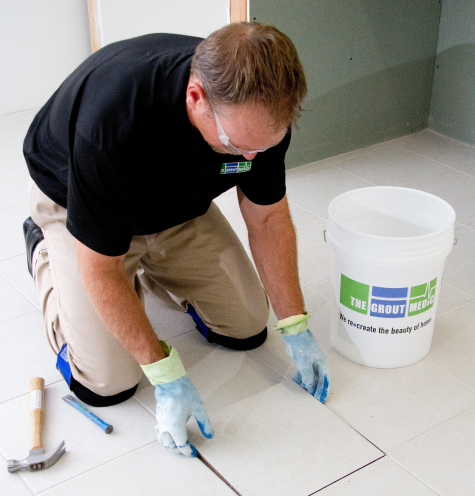
Grout Repair for Showers, Kitchens, Floors, & More
We provide regrouting and grout repair in Bedford for tiled bathrooms, showers, kitchens, floors, walls, backsplashes, and countertops. Water-exposed areas warrant prompt attention when damaged joints appear alongside persistent dampness, recurring discoloration, or loose tile.
In showers, open joints often appear near corners, fixtures, and transitions. Kitchen backsplashes and countertops may develop isolated cracks or missing sections, while tiled floors can show crumbling joints in frequently used areas.
Surface cleaning won’t correct unstable joints. If grout quickly darkens again, flakes during cleaning, or repeatedly cracks in the same place, an assessment can identify whether the area needs localized repair, regrouting, recaulking, or another tile restoration service.