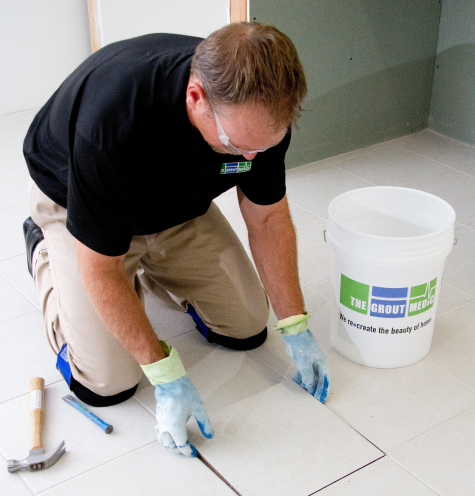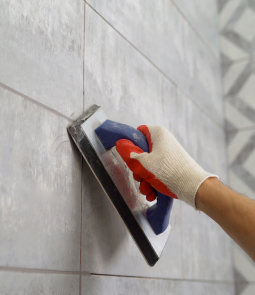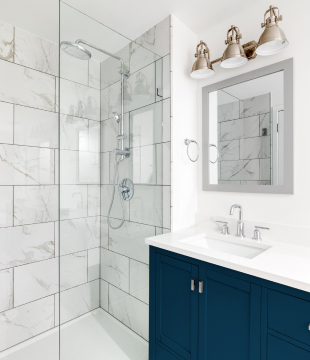


Grout Sealing in Glenn Dale, MD
Lock out moisture, protect your tile investment, and keep bathrooms and kitchens looking cleaner—longer.
Grout is naturally porous, which means it readily absorbs water, soap residue, cooking oils, and everyday dirt. In showers, that moisture can seep in and contribute to discoloration and musty odors; on kitchen floors, traffic and spills can quickly turn light-colored grout dark and blotchy. Grout sealing creates a protective barrier that slows absorption, makes routine cleaning easier, and helps your tile surfaces maintain a like-new appearance for years. If you’re in Glenn Dale, MD 20769 or nearby Laurel and Columbia, our humid summers and busy households make sealing a smart, preventative step rather than an afterthought.
Many homeowners ask, does grout sealing prevent mold and mildew? Sealing helps reduce the moisture and residue that mold and mildew feed on, so it can significantly lower the likelihood of growth on the surface. However, it’s not a substitute for proper ventilation, consistent cleaning, or fixing leaks—mold can still develop in soap film, caulk lines, or areas where water sits. If you suspect your grout is already compromised, we can pair sealing with professional grout cleaning or targeted grout repair to address the root cause first. To get started, schedule an evaluation with The Grout Medic of Laurel-Columbia and we’ll recommend the right sealing approach for your bathroom, shower, or kitchen.
Protect your grout today with The Grout Medic of Laurel-Columbia! Contact us at (301) 965-1994.
How Often Should Grout Be Sealed in Showers and High-Traffic Areas?
How often should grout be sealed in showers? As a general guideline, most showers benefit from resealing about every 12 months, especially in frequently used bathrooms where water exposure is constant. Higher-quality penetrating sealers can sometimes stretch that to 18–24 months, while heavily used family showers may need attention closer to the 6–12 month mark depending on cleaning habits and ventilation. Floors typically last longer than showers, but entryways, kitchens, and hallways can still wear down faster due to grit and repeated mopping. In high-traffic areas, many homeowners find that grout sealing lasts roughly 12–24 months before performance starts to drop.
If you’re unsure whether it’s time, the simplest way to check is the water test. Drip a few drops of water onto the grout line and watch for 5–10 minutes; if the grout darkens quickly or absorbs the water instead of beading, it’s a strong sign your grout needs resealing. If water stays beaded on top and the grout doesn’t change color, your sealer may still be doing its job. For an accurate assessment across multiple rooms—showers, kitchen floors, and backsplashes—contact our Glenn Dale team for a practical, room-by-room recommendation.
Best Grout Sealer for Bathroom Tile: Penetrating vs. Topical Sealers
What is the best grout sealer for bathroom tile? For most bathrooms and showers, a penetrating grout sealer is typically the preferred option because it soaks into the grout and protects below the surface without leaving a film that can peel or haze. This is especially important for wet areas where constant water exposure and cleaning can break down weaker coatings. In many cases, premium penetrating formulas (often fluoropolymer- or silane/siloxane-based) provide durable water and stain resistance while keeping grout looking natural. The “best” choice still depends on your grout type (cementitious vs. epoxy), tile material, and how the space is used, which is why a professional assessment can save you from trial-and-error.
Homeowners also ask about the difference between penetrating and topical grout sealer. Here’s the practical breakdown:
- Penetrating sealer: Absorbs into grout pores to repel water and stains from within; ideal for showers and bathrooms; less likely to change appearance; typically longer-lasting with less maintenance.
- Topical sealer: Forms a protective coating on the surface; can add sheen; may wear unevenly in traffic lanes and can be affected by harsh cleaners; better suited for specific decorative uses, not most wet shower applications.
If you want a stronger, longer-term solution for badly stained or uneven grout color, ask us about color sealing, which both recolors and protects grout with a durable finish. For most Glenn Dale bathrooms, though, a high-quality penetrating sealer applied correctly after thorough prep is the most reliable path to a cleaner-looking shower with less scrubbing.
How Long Does Grout Sealer Take to Cure (and When Can You Use the Shower Again)?
How long does grout sealer take to cure? Cure time varies by product, humidity, and airflow, but most professional-grade sealers are dry to the touch within a few hours and reach a more complete cure within 24–72 hours. In showers, we often recommend avoiding direct water exposure for at least 24 hours whenever possible to allow the sealer to properly set and bond. Maryland humidity can slow curing, so ventilation and air circulation are important—running the bathroom fan and keeping the area dry helps ensure the best final performance. If you need a fast turnaround, we can recommend a product and schedule that fits your household routine while still protecting the integrity of the seal.
Proper curing is not just a waiting game; it’s the difference between a sealer that lasts and one that wears off prematurely. Using the shower too soon, leaving puddles on the floor, or cleaning with strong chemicals right after application can compromise results. When you book grout sealing with The Grout Medic of Laurel-Columbia, we’ll provide clear after-care instructions and a realistic timeline so you know exactly when it’s safe to walk on floors, mop, or use the shower again.
Is Grout Sealing Worth It for Kitchen Floors—and Can You Seal Over Existing Stains?
Is grout sealing worth it for kitchen floors? In most homes, yes—especially in busy kitchens where spills, grease, and tracked-in dirt can permanently discolor unsealed grout. Sealed grout is easier to wipe clean, less likely to absorb staining liquids like coffee or sauces, and more resistant to dull, ground-in grime from daily foot traffic. While sealing doesn’t make grout “stain-proof,” it greatly extends the time you have to clean up spills before they soak in. For households in Glenn Dale, Laurel, and Columbia with kids, pets, or frequent entertaining, sealing is a cost-effective way to reduce deep-cleaning frequency and protect the look of your tile.
Another common question is, can you seal grout over existing stains? Technically, a sealer can be applied over stained grout, but it may “lock in” the discoloration and make it harder to improve later. The best practice is to clean and restore first, then seal to preserve the improved look. If stains are stubborn, we may recommend tile and grout restoration or deep grout cleaning before sealing; if grout is cracked or missing, grout repair should come first so the sealer can protect a sound surface. Book an on-site evaluation in Glenn Dale, MD 20769 and we’ll tell you honestly whether sealing alone will meet your expectations or if a prep step will deliver a better final result.
Professional Grout Sealing vs. DIY: Cost, Results, and What Lasting Protection Really Takes
It’s natural to compare professional grout sealing vs DIY cost and results. DIY sealing can be less expensive upfront, but results vary widely based on surface prep, sealer quality, application technique, and curing conditions. Many DIY projects fail early because the grout wasn’t fully cleaned and dried, too much sealer was left on the tile surface, or the wrong type of sealer was used for a wet area like a shower. Professional sealing focuses on consistent coverage, correct dwell time, proper buffing to prevent residue, and product selection matched to your grout and tile—details that directly impact how long the protection lasts.
When you choose The Grout Medic of Laurel-Columbia, you’re not just paying for an application—you’re investing in a repeatable process designed for durability in bathrooms and high-traffic floors. Our service typically includes inspection, prep guidance, and recommendations to extend performance in real-world conditions like frequent showers or daily kitchen use. Here’s what homeowners in Glenn Dale and surrounding areas often gain with professional service:
- Better longevity: Proper prep and professional-grade products help grout sealing last longer in showers and high-traffic zones.
- Cleaner final appearance: Reduced risk of haze, streaking, or sticky residue on tile surfaces.
- Targeted solutions: Recommendations for problem areas such as corners, failing caulk lines, or chronic discoloration (including caulk replacement when needed).
- Clear maintenance plan: Guidance on safe cleaners and routines that won’t strip sealer prematurely.
Ready to protect your grout the right way? Call The Grout Medic of Laurel-Columbia to schedule grout sealing in Glenn Dale, MD 20769 and nearby communities. We’ll evaluate your showers, bathroom floors, kitchen floors, and tile surfaces, perform the water test where needed, and recommend the best sealer and service plan for long-lasting results. Take the next step today and request your estimate—your tile will look better, clean easier, and stay protected longer.
Schedule your grout sealing with The Grout Medic of Laurel-Columbia! Call (301) 965-1994 now.

-
Timely and Quality ServiceHassle-free scheduling and transparent estimates, always.
-
Committed to Your SatisfactionYour satisfaction matters. If we fall short, let us know – we'll fix it.
-
More Than QualifiedOur team is fully licensed, bonded, and insured for your peace of mind.