

Grout Sealing in Columbia, MD
Penetrating Grout Protection for Bathrooms, Kitchens & High-Use Tile
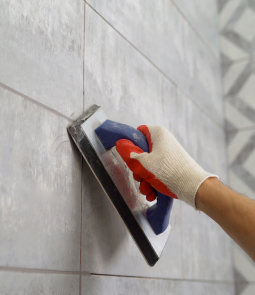
The Grout Medic of Laurel-Columbia provides grout sealing for tile surfaces in Columbia and nearby communities. Grout is naturally porous, which means it readily absorbs water, soap residue, cooking oils, and everyday dirt. Our penetrating sealer helps slow moisture absorption and resist staining, but the condition of the grout matters. Cracked, crumbling, missing, or heavily stained grout may need professional cleaning, grout repair, regrouting, or color sealing before a clear sealer is applied.
At The Grout Medic of Laurel-Columbia, we can recommend the appropriate preparation and sealing approach for your bathroom, shower, kitchen, or entryway. Schedule an evaluation with The Grout Medic of Laurel-Columbia, or Contact us at (227) 230-9574.
How Often Should Grout Be Sealed in Showers & High-Traffic Areas?
We recommend professional tile and grout cleaning services and resealing at least once every two years. Public spaces, frequently used showers, kitchen floors, and entryways may need attention sooner because repeated moisture exposure, cleaning, and foot traffic can wear down the existing protection. The appropriate interval depends on the use of the space, grout condition, previous product, and cleaning routine rather than a single schedule for every tiled surface.
If you’re unsure whether it’s time, a basic water-absorption check can provide an initial clue. Place a few drops of water on a clean grout line and watch whether the grout darkens or absorbs the water instead of repelling it. This test isn’t conclusive across every room or grout type, so our Columbia team can evaluate multiple tiled areas and identify which surfaces need cleaning, sealing, or another treatment.
Best Grout Sealer for Bathroom Tile: Penetrating vs. Topical Sealers
What is the best grout sealer for bathroom tile? For many bathrooms and showers, a penetrating grout sealer is preferred because it enters the grout surface rather than remaining as a thick film. Our Premium grout sealer is a penetrating product designed to help grout resist moisture absorption and staining while retaining a natural appearance. The appropriate treatment still depends on the grout condition, tile material, use of the space, and whether you want clear protection or color correction.
Homeowners also ask about the difference between penetrating and topical grout sealer. Here’s the practical breakdown:
- Penetrating sealer: Enters grout pores to provide protection from within and is less likely to create a visible surface film.
- Topical sealer: Remains primarily on the surface, may change the finish, and can wear unevenly in areas exposed to traffic or repeated cleaning.
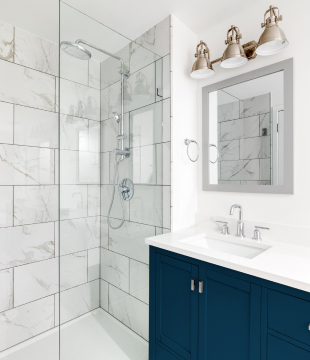
We don’t recommend high-gloss sealers in our product guidance. If badly stained grout needs a more uniform appearance, color sealing may be more suitable because it recolors and protects the grout. For suitable Columbia bathroom grout whose existing color is acceptable, a tailored grout sealer application using Premium grout sealer may provide the clear protection the surface needs.
Grout Sealer Cure Time & Return-to-Use Guidance
Our penetrating grout sealer is generally dry to the touch in about one hour and reaches a complete cure in about 72 hours. Actual return-to-use timing can vary with the treated area, surface condition, airflow, humidity, and application conditions. Dry to the touch doesn’t necessarily mean the surface is ready for direct water exposure, mopping, or regular shower use.
Using a newly sealed area too soon or applying harsh cleaners during the cure time can interfere with the intended performance of the treatment. When you book grout sealing with The Grout Medic of Laurel-Columbia, we can explain how long the grout and sealant need to dry and set before you walk on the floor, clean it, or expose it to water. Follow the project-specific aftercare instructions we provide rather than relying on a general timeline.
Is Grout Sealing Worth It for Kitchen Floors?
Is grout sealing worth it for kitchen floors? In most homes, yes, especially in busy kitchens where spills, grease, and tracked-in dirt can discolor unsealed grout. Sealed grout is easier to wipe clean, less likely to absorb staining liquids such as coffee or sauces, and more resistant to ground-in grime from daily foot traffic. While sealing doesn’t make grout stain-proof, it gives you more time to clean spills before they soak in.
Another common question is, can you seal grout over existing stains? A clear sealer can be applied over stained grout, but it won’t remove the discoloration and may preserve the existing appearance. Clean and restore the grout first, then seal it to help maintain the improved look. If stains remain after cleaning, we may recommend color sealing; if grout is cracked or missing, grout repair or regrouting should come first so the sealer is applied to a sound surface.
Professional Grout Sealing vs. DIY Application
DIY sealing can appear straightforward, but results depend on preparation, product compatibility, application control, and curing conditions. The grout needs to be clean and dry, the treatment must suit the grout and tile, and excess product must be removed from the tile surface. Inconsistent coverage or residue can affect both appearance and performance.
Our technicians are trained in modern tile and grout care practices. We can coordinate sealing with low-pressure, high-temperature steam vapor cleaning, grout repair, regrouting, recaulking, or color sealing when application alone isn’t the appropriate next step. We also provide transparent recommendations and a free estimate before work begins.
We can evaluate your showers, bathroom floors, kitchen floors, and other tile surfaces, then recommend cleaning, clear sealing, color sealing, repair, or another appropriate service. To request your free estimate and a tailored plan, schedule grout sealing in Columbia with The Grout Medic of Laurel-Columbia.
Schedule your grout sealing with The Grout Medic of Laurel-Columbia! Call (227) 230-9574 now.

-
Timely and Quality ServiceHassle-free scheduling and transparent estimates, always.
-
Committed to Your SatisfactionYour satisfaction matters. If we fall short, let us know – we'll fix it.
-
More Than QualifiedOur team is fully licensed, bonded, and insured for your peace of mind.
What We Check Before Applying Grout Sealer
Before applying sealer, we check whether the grout is clean, dry, intact, and ready for a protective treatment.
Our evaluation may include:
- Grout condition: We look for cracks, crumbling areas, missing material, embedded staining, and deteriorated joints.
- Existing protection: We check how the grout responds to moisture and whether residue or an earlier coating may affect application.
- Tile material: We account for the surrounding tile when selecting surface-safe cleaning products and controlling sealer application.
- Room conditions: We consider moisture and traffic differences among shower areas, bathroom floors, kitchen floors, backsplashes, and entryways.
- Restoration needs: We identify whether grout cleaning, grout repair, regrouting, recaulking, or color sealing should precede clear sealing.
Clear grout sealing and color sealing serve different purposes. Clear sealing helps protect suitable grout when its current appearance is acceptable. Color sealing adds a more uniform color while providing protection, which may suit grout with permanent discoloration or an appearance that no longer complements the tiled surface.
Where Grout Sealing Fits Into Tile Maintenance
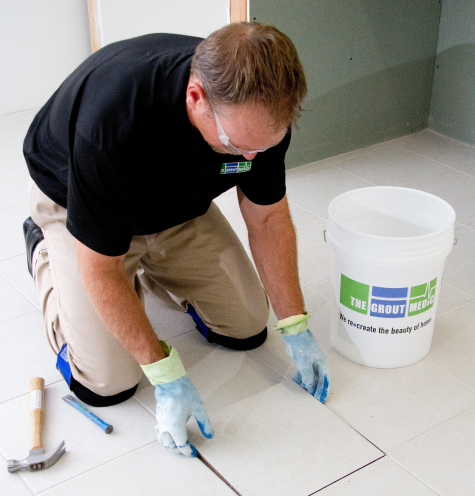
Different tiled areas face different combinations of water, residue, grease, and foot traffic. We tailor our recommendation to the surface rather than assuming that every room needs the same treatment. Clear sealing is generally a protection step for clean, intact grout, while color sealing, recaulking, or grout repair may be more appropriate when appearance or joint condition is the main concern.
Common areas we evaluate include:
- Showers: Frequent water and soap exposure make sound grout, intact caulk, ventilation, and appropriate cure time important considerations.
- Bathroom floors: Regular foot traffic and intermittent moisture can affect how quickly existing protection wears.
- Kitchen floors: Cooking oils, food spills, tracked-in dirt, and repeated cleaning can enter porous grout when protection has diminished.
- Backsplashes: Grease and cooking residue may require thorough cleaning before a clear sealer is applied.
- Entryways: Grit, moisture, and concentrated traffic can wear grout and its protective treatment faster than in lightly used rooms.
Sealing isn’t a substitute for repairing failed joints or stopping an active leak. Deteriorated caulk may require recaulking, while cracked or missing grout may need repair or replacement. Our grout sealing company serving Columbia can assess how each issue affects the recommended maintenance plan.