

Tile Water Damage Repair in Harlem
Professional Water Damage Restoration for Tile Surfaces
Water can move through deteriorated grout, failing caulk, or joints around showers, tubs, sinks, backsplashes, and other tiled areas. At The Grout Medic of Manhattan, we provide tile water damage repair for Harlem customers with a focus on the affected tile, grout, and caulk surfaces. Our work can include inspection, moisture removal and drying, tile and grout repair, and targeted replacement of affected tiles when appropriate.
Discolored or crumbling grout, loose tiles, damp surfaces, and musty odors can indicate that moisture has reached behind or beneath the visible tile. Rather than applying new grout or caulk over a possible moisture issue, we assess the condition of the tiled area and explain the restoration work proposed.
Tell us about the affected tiled area. Get a free estimate online or call (646) 969-3182.
Tile & Grout Restoration Options
The right repair depends on the condition of the tile surface and the materials around it. Surface staining may call for cleaning, while damaged grout, failed caulk, cracked tile, or hidden moisture can require more targeted work.
Our tile and grout restoration services can include:
- Deep Cleaning: Low-pressure, high-temperature steam vapor cleaning for tile and grout surfaces.
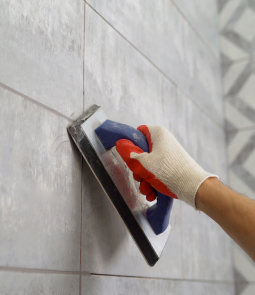
- Grout Repair & Regrouting: Repairing deteriorated grout or installing new grout where the condition calls for it.
- Recaulking: Replacing damaged caulk at tiled transitions after the area is properly prepared.
- Color Sealing: Applying color sealant to suitable grout lines to refresh their appearance.
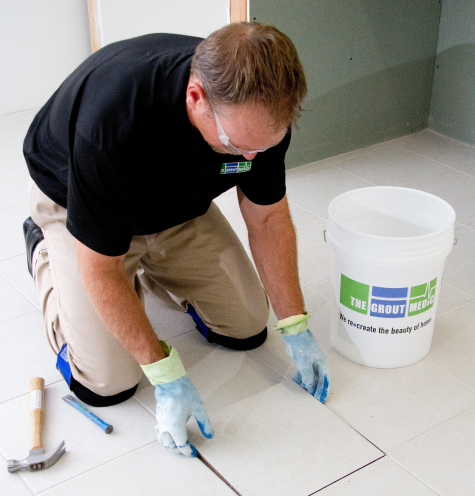
- Tile Repair & Replacement: Repairing cracked tiles or replacing affected tiles when needed.
Regrouting or recaulking isn’t a substitute for addressing active moisture or compromised materials beneath the tile. We provide free estimates and clear communication about the work recommended for the affected area.
Water Damage Repair for Tiled Areas in Harlem
Our fully trained technicians address cracked tiles, deteriorated grout, and other tiled-surface concerns using purpose-built equipment, proprietary methods, and eco-friendly techniques. We focus on determining whether the concern appears limited to the tile and grout system or whether the condition may require work outside tile restoration.
Our Tile Water Damage Repair Process
We inspect the affected tiled area for visible damage and signs of hidden moisture so the proposed work reflects the condition found.
Our process may include:
- Inspection: expert inspection and identification of hidden water damage.
- Moisture Removal & Drying: professional moisture removal and thorough drying before restoration work proceeds.
- Targeted Tile Work: Repairing grout and caulk or performing targeted replacement of affected tiles when the assessment supports that approach.
- Final Review: Reviewing the completed tile and grout work and noting concerns that may need another type of professional.
Early attention to water-affected tile can help limit additional damage and moisture-related risk. Repair timing varies based on the extent of moisture, access to the area, the condition of underlying materials, and whether tile replacement is needed.
Frequently Asked Questions
What Causes Water Damage Around Tile & Grout?
Common causes include plumbing leaks, deteriorated grout or caulk, moisture entering through joints, and inadequate drying after a leak. Moisture can reach materials behind or beneath tile even when the visible surface appears mostly intact.
How Long Can Tile Water Damage Repair Take?
Repair timing depends on the extent of moisture, the condition of the substrate, access to the affected area, and whether tile replacement is needed. We can discuss the expected scope of tile and grout work during your free estimate.
Are Your Methods Appropriate for Children & Pets?
We use eco-friendly cleaning methods and low-pressure, high-temperature steam vapor technology for suitable tile and grout surfaces. The appropriate cleaning and restoration method depends on the tile, grout, and surrounding materials in the area being treated.
Can Affected Tiles Be Repaired Instead of Replaced?
Some affected tiles can be repaired, while others may need targeted replacement. The appropriate option depends on the tile’s condition, moisture exposure, surrounding grout, and the materials beneath the tile.
What Should Be Addressed Before Regrouting or Recaulking?
Active moisture and compromised underlying materials should be addressed before new grout or caulk is installed. Applying restoration materials over an unresolved moisture problem can conceal the issue and lead to premature failure.

-
Timely and Quality ServiceHassle-free scheduling and transparent estimates, always.
-
Committed to Your SatisfactionYour satisfaction matters. If we fall short, let us know – we'll fix it.
-
More Than QualifiedOur team is fully licensed, bonded, and insured for your peace of mind.
Signs of Moisture Damage in Tiled Areas
Tile water damage isn’t always limited to an obvious stain or puddle. Moisture-related problems can appear around showers, tubs, sinks, kitchen backsplashes, and other tiled surfaces where grout lines, caulked joints, or tile edges have begun to fail.
Consider a professional assessment when you notice:
- Loose or Hollow-Sounding Tiles: Tiles that move or sound different when tapped may indicate a concern beneath the surface.
- Cracked or Missing Grout: Gaps and deterioration can allow moisture to travel through tile joints.
- Recurring Discoloration: Stains that return after cleaning may point to moisture reaching the area behind or below the visible surface.
- Musty Odors or Dampness: Persistent odors or damp surfaces near tile can warrant a closer look.
- Deteriorated Caulk: Cracked, separated, or missing caulk around fixtures and transitions can leave joints exposed to moisture.
An assessment is particularly useful when damage returns after cleaning, tile begins to shift, or moisture appears near a plumbing fixture or joint. Identifying the condition before regrouting, recaulking, or replacing tile helps determine the appropriate next step.
When Tile Restoration Is the Appropriate Next Step
Some water-related conditions extend beyond tile restoration. Active plumbing leaks, structural deterioration, and extensive wet materials should be addressed before new grout, caulk, or replacement tile is installed. Applying surface materials before the underlying moisture issue is resolved can conceal ongoing damage and cause the repair to fail prematurely.
A clear assessment helps distinguish localized tile or grout work from conditions that need a different type of property repair. Once the tiled area is properly prepared, restoration work can focus on the damaged surface and surrounding joints.